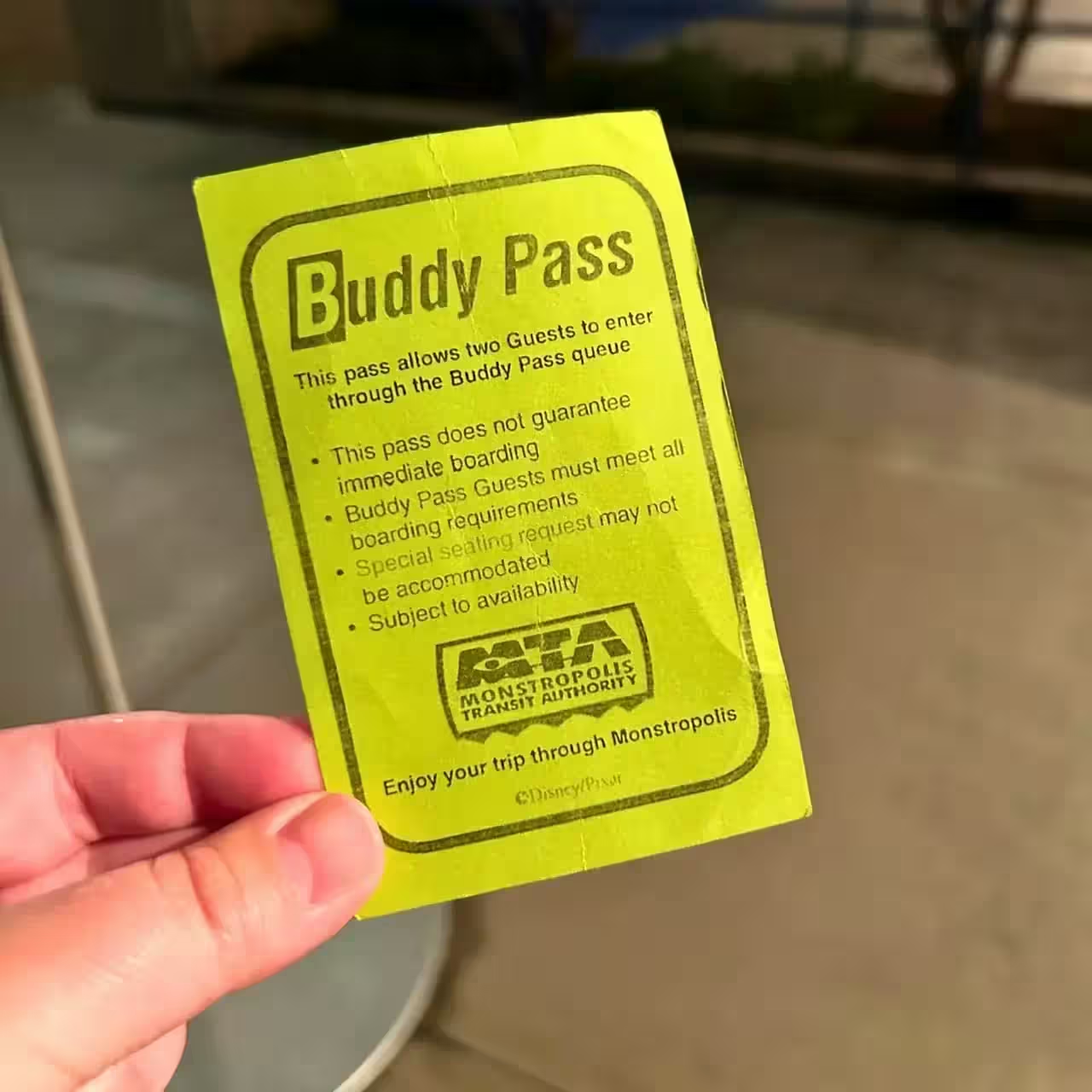
These are free travel social stories and a sample visual schedule I wrote for families like mine. There's one for flying out of Rockford's RFD airport, one for a cruise, one for Disney World and one for a hotel stay. Read the text right here, swap in your own photos, and print it. Downloadable PDFs are coming to my free resource library, the one WIFR featured on February 26, 2026.
What is a social story?
A social story is a short, true story that tells a child what will happen in a new situation, what other people will do, and what they can do. It is written simply, from the child's point of view, with a picture for each step.
The idea comes from Carol Gray, a teacher who developed Social Stories™ in the early 1990s to help autistic students understand social situations. Her own site says she developed them in 1990 and that they grew out of several years of work with students. She still publishes formal criteria for what counts as a "genuine" Social Story, and the current version is called Social Stories 10.4.
A good story describes much more than it directs. Gray's approach recommends two to five descriptive, perspective or similar sentences for every sentence that tells the child what to do (overview of the sentence types). So instead of "You must sit still on the plane," a story says, "The plane has rows of seats. Everyone sits in a seat with a seat belt. Sitting in my seat keeps me safe."
The research is encouraging but limited. Raising Children Network rates social stories "promising," noting most studies are small (Raising Children Network). They're one tool, not a magic fix.
What is a visual schedule, and how is it different?
A visual schedule shows the order of the day in pictures: first this, then this, then this. A social story explains one experience in detail. A visual schedule maps the whole day.
Most families need both. The social story answers "What is a cruise ship muster drill?" The visual schedule answers "When do we do the muster drill, and what comes after it?" I wrote about building a visual schedule for every single day of a trip in Traveling with two kids on the spectrum. It is the first thing I make when we travel.
How do I use a travel social story with my child?
Start reading the story one to three weeks before the trip, read it daily, and read it again right before the real thing happens. Then keep it with you on travel day.
Here is what works for most families:
- Start early, but not too early. One to three weeks is a good window for most kids. Some kids need longer. Some kids get anxious if they hear about a trip too far ahead, so you know your child best.
- Read it often, then taper. Daily at first is typical. Once your child understands it, you can read it less often (Raising Children Network).
- Use "I" and keep it positive. Write in the first person ("I will…") and in a calm, matter-of-fact tone. Name the hard parts (loud, crowded, waiting) honestly, and pair each one with something that helps.
- Use real photos when you can. A photo of the actual RFD terminal or your actual ship beats clip art. Each line in the stories below is meant to sit next to its own photo.
- Say "might" and "usually." Travel changes. "The plane usually leaves on time" is truer than "The plane leaves at 10:00," and it gives you room when there's a delay.
- Edit freely. Change the names, the ship, the hotel and the comfort items. A story that matches your child's real trip works better than a generic one.
- Read it again at the moment. Pull it out in the security line or while you wait for the parade. That's when it does the most good.
Social story: flying from Rockford's RFD airport
This story is for families flying from Chicago Rockford International Airport (RFD). RFD is small, so the walk is short and the security line is usually quick. For more about which flights leave from RFD, see my guide to direct flights from Rockford.
I Am Going on an Airplane
I am going on a trip. We will fly on an airplane from the Rockford airport.
We will park the car and walk inside with our bags.
A person at the counter may take our big suitcase. It will ride under the plane, and we will get it back later.
Next we go to security. We wait in a line. Lots of people wait in this line.
I put my backpack and my jacket in a gray bin. The bin goes through a machine. The machine looks at my things, and then I get them back.
I walk through a doorway when the officer tells me. The officers' job is to keep everyone safe.
Then we go to our gate. The gate has chairs and big windows. I can watch the airplanes while we wait.
When it is our turn, we walk through a hallway to the plane.
I find my seat and buckle my seat belt.
The engines get loud when the plane goes fast. I can wear my headphones. My ears might feel funny when we go up. Chewing or drinking can help.
On the plane, I can watch my tablet, read, or rest.
When the plane lands, we wait until it is our turn to stand up. Then we walk off the plane, and our trip begins!
One line to check before you print: RFD's terminal has jet bridges, but not every flight is guaranteed to use one. Ask the airline, or look out the gate window on travel day. If your child will walk outside to the plane, change that line to "We walk outside and up some stairs into the plane."
A few RFD-specific tips: call TSA Cares at (855) 787-2227 at least 72 hours before your flight to request a Passenger Support Specialist (TSA Cares). Take your photos of the outside and the ticket counter area on a quiet day before your trip, and the security and gate photos on travel day if you need them for next time. RFD's airfield tours are for school and community groups, so if you'd like a family visit, call the airport at 815-969-4000 and ask what's possible. My first flight with an autistic child guide goes deeper on airport rehearsal programs.
Social story: going on a cruise
Cruise ships are one of the most predictable vacations for autistic kids, which is why I wrote why autism families choose cruises. The new parts are boarding, the safety (muster) drill, and the ship's horn, so this story focuses on those.
I Am Going on a Cruise
I am going on a cruise. A cruise ship is a very big boat with rooms, restaurants and pools.
First we go to a big building called the cruise terminal. There are lines and lots of people.
A worker looks at our papers and takes my picture. Then we walk onto the ship.
Our room is called a stateroom. It has beds, a bathroom and maybe a window. It will be our room the whole trip.
Before the ship leaves, everyone learns how to be safe. We watch a short safety video on a phone or TV.
Then we walk to a meeting spot called our assembly station. A crew member checks us in. It only takes a few minutes.
The ship has a horn. The horn is very loud, and it usually blows when the ship leaves the port. I can cover my ears or wear my headphones. A loud horn is normal on a ship.
When the ship moves, the floor might feel a little wiggly. That is okay.
Every day there is a schedule. It tells us what happens today.
Some days the ship stops at a new place. We can get off and explore, or we can stay on the ship.
I can take a break in our stateroom whenever I need to.
At the end of the cruise, we pack our bags, get off the ship, and go home.
Royal Caribbean has its own free social story booklet, "All Aboard My Cruise," for its Oasis Class and Icon Class ships (Royal Caribbean autism friendly ships). The Icon Class booklet is a PDF that walks through the port, check-in, boarding and the app-based muster drill. The same page lists expedited check-in, boarding and departure for guests with autism, autism-friendly films, and autism-friendly toy lending in Adventure Ocean. If you're sailing on one of those ships, use their booklet for the ship details and this story for your family's own day.
On Royal Caribbean, the old crowded muster drill has been replaced by a self-paced version. You review safety information in the app or on the stateroom TV, then check in at your assembly station before the ship departs (Royal Caribbean). That's a big improvement for sensory kids. Other lines handle this differently, so tell me which ship and I'll tell you what to expect. For ship picks, see the best Caribbean cruises for autism families.
One more cruise note for parents: the general emergency alarm on ships is seven or more short blasts followed by one long blast. You won't hear it unless there is a real emergency or a crew drill, but I'd rather you know about it before your child does.
Social story: going to Disney World
Disney is wonderful and it is a lot: crowds, lines, sudden noises, fireworks and giant characters. This story names all of it calmly. Pair it with my Disney World autism planning guide and how to use DAS.
I Am Going to Disney World
I am going to Disney World. It is a big place with rides, shows and characters.
Lots of people visit Disney World. It might be crowded and loud. I can wear my headphones.
To go on a ride, we usually wait in a line. Some lines are short and some lines are long.
While I wait, I can hold my fidget, play a game, or have a snack.
Some rides are dark, fast or loud. Before we go, we can watch a video of the ride together. I can choose to skip a ride.
I might see characters like Mickey Mouse. Characters are people in costumes. Some characters do not talk, but they can wave, hug or sign my book.
I do not have to hug a character. I can wave or give a high five.
At night there might be fireworks. Fireworks are very loud and bright. I can watch from far away, wear my headphones, or go back to the hotel before they start.
When I feel tired or too full of noise, I can tell my grown-up. We will find a quiet place to rest.
We ride a bus, boat or train back to our hotel.
Tomorrow we can have more fun at Disney.
Disney publishes two free guides that pair well with this story. The Sensory Experience Details guide goes attraction by attraction through things that can be hard for sensory kids, like loud noises, periods of darkness, getting wet, bumpy or fast movement and elements of surprise. The Accessibility Planning Guide includes tips for neurodivergent guests, like making a visual schedule and practicing waiting in line before you go. Both are linked from Disney's services for guests with disabilities page. Ride videos on YouTube are also great to watch together. Just preview them yourself first.
Social story: staying in a hotel
Hotels sound simple to adults. For a kid who loves routine, though, it's a strange bed, a strange bathroom, an elevator, and noises in the hallway. This one works for a theme park resort, a beach resort or a stopover hotel.
I Am Staying in a Hotel
On my trip, we will sleep in a hotel. A hotel is a building with lots of bedrooms for travelers.
First we go to the front desk. A worker gives us keys to our room.
We might ride an elevator. The doors open and close by themselves.
Our room has a number on the door. That is how we find it.
The room has beds, a bathroom and a TV. It will look different from my room at home.
I brought my own pillow or blanket from home.
I might hear other people in the hallway or a door closing. That is normal in a hotel. My sound machine can help.
The bathroom might have a loud fan or a loud toilet. I can close the lid before I flush and cover my ears.
The hotel may have a pool. I swim only when a grown-up is with me.
Every night we come back to the same room. Our things will be there.
When the trip is over, we pack our bags and go home to my own bed.
My tip: ask the hotel for a room away from the elevator and ice machine, and on a higher floor if your child is a runner. Elevator access plus a door alarm or travel lock is worth discussing for kids who wander. I add these requests to my clients' reservations.
Sample visual schedule: a travel day
A visual schedule for travel day breaks the day into 8 to 12 picture steps, with flexible times and a built-in break. Here is the one I'd start with for an RFD flight to Florida and a hotel night. Pair each step with a photo or picture card.
| # | Step | Approx. time | Comfort note |
|---|---|---|---|
| 1 | Eat breakfast at home | 6:30 a.m. | Usual breakfast, no surprises |
| 2 | Drive to the Rockford airport | 7:15 a.m. | Favorite music in the car |
| 3 | Walk inside, check our bag | 7:45 a.m. | Hold a grown-up's hand |
| 4 | Security line | 8:00 a.m. | Headphones on, fidget in pocket |
| 5 | Wait at the gate, watch planes | 8:20 a.m. | Snack and bathroom stop |
| 6 | Board plane, buckle seat belt | 9:00 a.m. | Board early or last, your choice |
| 7 | Fly (about 2.5 hours) | 9:30 a.m. | Tablet, chewy snack for ears |
| 8 | Land, get our suitcase | Noon | Times can change, that's okay |
| 9 | Ride to the hotel | 12:45 p.m. | Water and quiet time |
| 10 | Check in, see our room | 2:00 p.m. | Unpack the comfort bag first |
| 11 | Rest or swim | 3:00 p.m. | Break built in on purpose |
| 12 | Dinner, bath, bed | 5:30 p.m. | Same bedtime routine as home |
Print the cards, Velcro them to a strip, and let your child pull each one off when it's "all done." Keep a "change" card handy for delays. If clock times cause stress, cut that column.
Where do I find the free PDFs and other ready-made stories?
The free PDFs of all four stories and the visual schedule will live in my resource library, and I'll link each one here as it's posted.
Besides the Royal Caribbean and Disney resources above, some airports publish their own stories, like Singapore's Changi Airport. And Next Comes L also has a well-known set of free airplane social stories.
How I help
I'm a mom of two kids on the spectrum and an IBCCES Certified Autism Travel Professional, so I wrote these stories because I needed them first. When I plan a trip for your family, I don't hand you a generic story. I help you fill it with your real details: which airline door you'll board, which ship and stateroom, which Disney resort bus, which quiet corner of the hotel.
That also means requesting the accommodations behind the story, like expedited cruise boarding, Disney's DAS, a quiet room location, and the right flight times out of RFD. You can see how that works on my autism travel planning page and my special needs travel planning page. Planning with me is free to you, because the cruise lines, resorts and tour companies pay me.
Frequently asked questions
How far ahead should I start reading a travel social story?
One to three weeks before the trip works for most kids. Read it daily at first, then less often once your child knows it. Read it again right before each step on travel day.
Should a social story be written in first person?
Usually, yes. "I will wait in line" helps a child picture themselves doing it. Third person ("Sam will wait in line") can work for kids who find "I" confusing. The tone should stay calm, honest and positive.
Do cruise lines have their own social stories?
Royal Caribbean does. Its free "All Aboard My Cruise" booklets cover its Oasis Class and Icon Class ships. If your line or ship doesn't have one, use the cruise story above and add your own ship photos.
Is there a Disney World social story from Disney?
Not a child's story, exactly. Disney publishes a Sensory Experience Details guide that lists sensory elements ride by ride, and an Accessibility Planning Guide with tips for neurodivergent guests. They're parent guides, so pair them with a simple social story like the one above.
Can I edit and share these stories?
Yes. Change names, places and photos to match your trip. Teachers, ABA therapists and support groups are welcome to share the link to this page with families.
What if the trip doesn't go like the story says?
It won't, exactly, and that's okay. Using "might" and "usually" in the story, plus a "change" card on the visual schedule, teaches your child that plans can shift and things are still fine.
Ready to plan a trip that fits your child, not the other way around? Call or text me at (815) 904-9755, or use the contact form at magicbeantravel.com. I'll help you build the trip and the stories that go with it.
Sources
- Carol Gray Social Stories: Social Stories™
- Wikipedia: Social Stories
- Raising Children Network: Social stories
- Rockford News First (WIFR): Rockford travel advisor launches free resource library for families with special needs, Feb 26, 2026
- Royal Caribbean: Autism friendly ships
- Royal Caribbean: Autism Social Story Booklet, Icon Class (PDF)
- Royal Caribbean: What is muster drill on a cruise?
- Walt Disney World: Sensory Experience Details
- Walt Disney World: Accessibility Planning Guide & Recommendations
- Walt Disney World: Services for guests with disabilities
- TSA Cares / passenger support
- Chicago Rockford International Airport: Tours
- Wikipedia: General emergency signal
- Changi Airport social story (PDF)
- And Next Comes L: Free airplane social stories